Brainhack Kraków 2026
Brainhack Kraków 2026 is an interdisciplinary event during which participants will be researching and analyzing the inner workings of the human brain.
The main topic of the event will be neurodegenerative diseases and the aging of brain cell – topics which importance has been rising in recent times.
Brainhack Kraków is a part of the Brainhack global initiative, which unites students and researchers from the fields of neuroscience, cognitive science, psychology, bioinformatics and health informatics from all around the globe.
Learning paths
To make the event accessible to both novices and experts, we have split the experience into to paths – beginner and advanced.
Beginner group
Intended for people unfamiliar with programming and data analysis.
Participants will work on achieving a goal set out by the organizers. During the process, they will be taught basic procedures and get practical skill of using technology found in neural research.
Participants will work under the eye of Dr. Daria Hemmerling and a group of passionate students from the related fields.
Advanced group
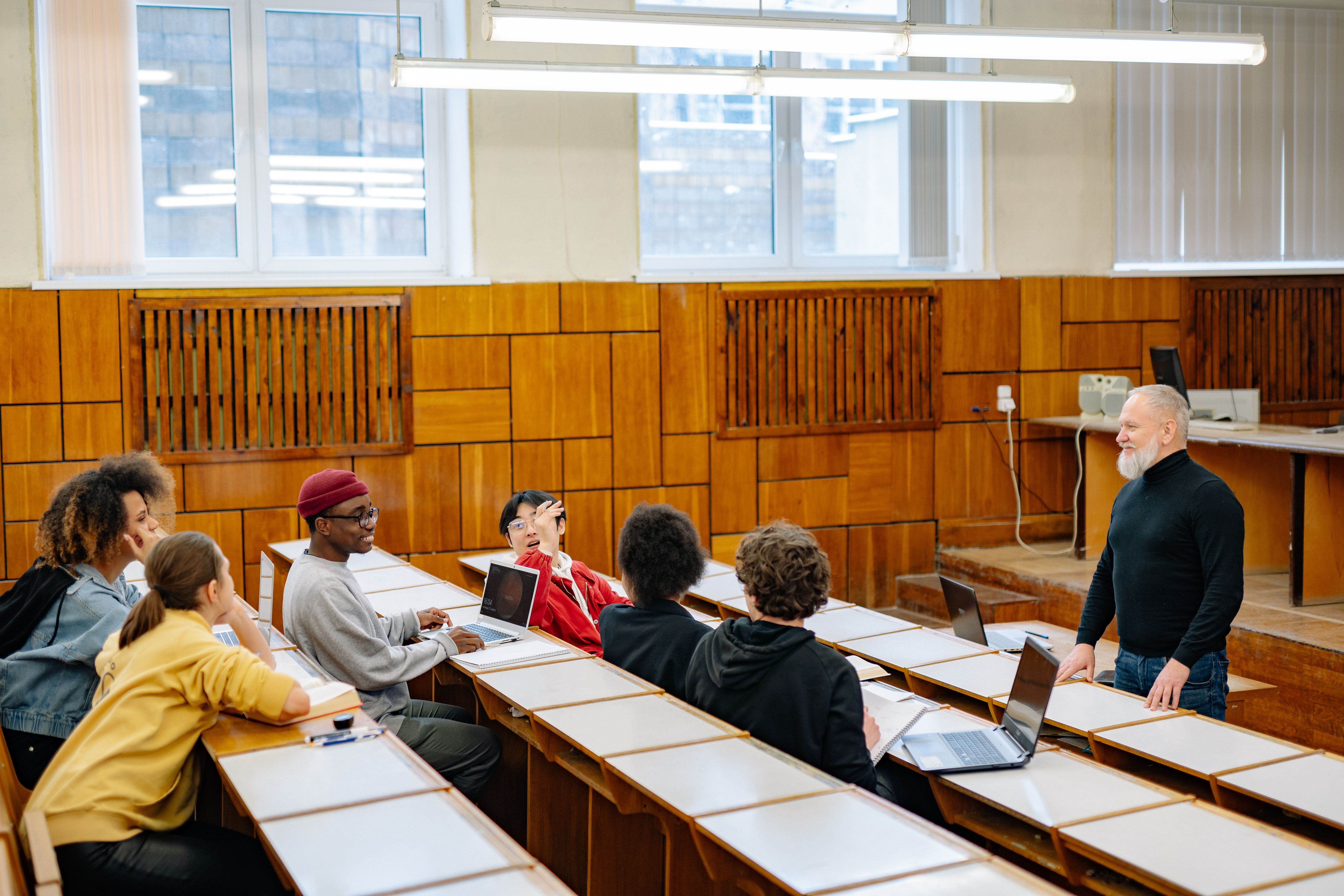
Intended for people with experience in neural fields or hackathons.
Teams of participants will compete at creating a solution to a problem presented to them at the beginning of the event. At the end of the event, the team which is found to have performed the best will be rewarded.
Teams will be assisted by Team Leaders – students from fields related to the subject of the task. They will offer knowledge and help with the goal of completing the task.

Event schedule
9:30
Registration opens
Registered participants will receive ID cards
10:00
Opening Ceremony
An opening presantation
10:30
First Pitch-talk sessions
Short presentations by participants, in the Brainhack Kraków 2026 theme
11:30
Data analysis workshop
Data analysis worksop led by members of the AiMED AGH students’ club
13:00
Lunch break
The organizers will provide food at the event
14:00
Lecture
A stationary lecture by Dr. Kamil Fuławka
15:00
Speech processing workshop
Speech processing worksop led by members of the AiMED AGH students’ club
18:00
Coffee break
The organizers will provide food at the event
19:00
End of the day
Beginner group ends the day, advanced group continues working on
9:00
Second Pitch-Talk Sessions
Short presentations by participants, in the Brainhack Kraków 2026 theme
10:00
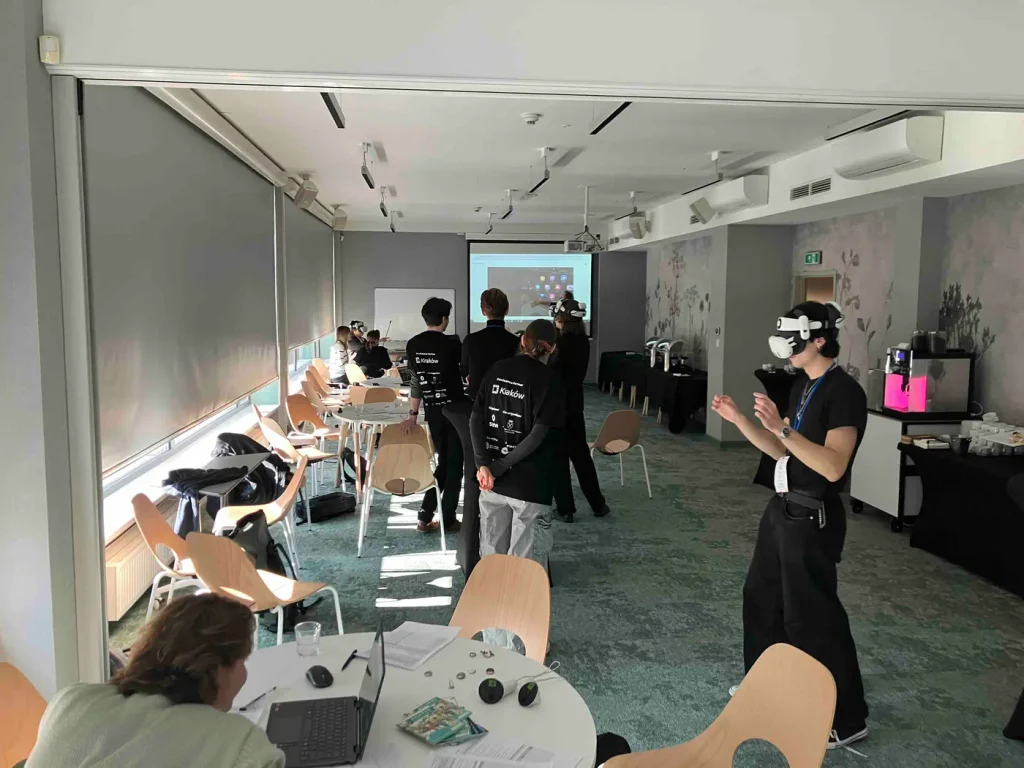
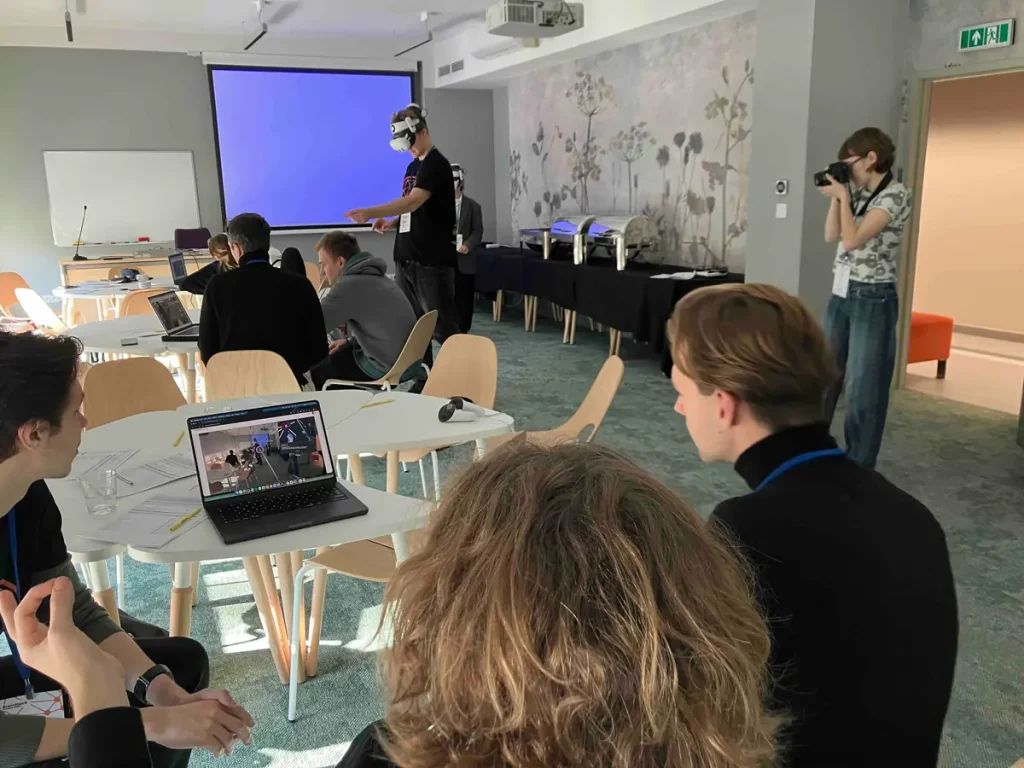
VR workshop
A demonstration and test of a VR/XR graph data visualization system
12:00
Lecture
A lecture will be given by Dr Daria Hemmerling on the topic of speech processing
13:00
Lunch break
The organizers will provide food at the event
14:00
Lecture
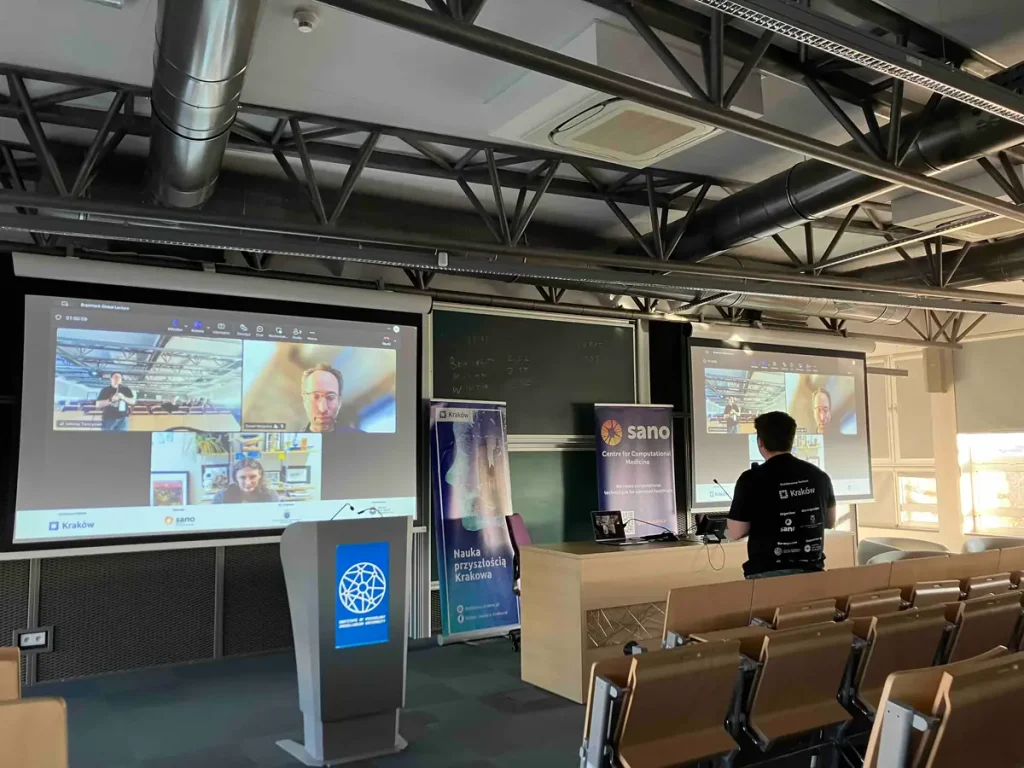
Remote lecture about the origin of BrainHack by BrainHack Global
15:00
Speech processing and data analysis project
A small project that will utilize information gained during the event
18:00
Coffee break
The organizers will provide food at the event
19:00
Closing ceremony
A summation of the event and official end of Brainhack Kraków 2026
9:30
Registration opens
Registered participants will receive ID cards
10:00
Opening ceremony
An opening presantation
10:30
First Pitch-talk sessions
Participants will perform short presentations about their interests in fields related to Brainhack
11:30
Project work
Participants will work together on a project of their choosing
13:00
Lunch break
The organizers will provide food at the event
14:00
Lecture
A stationary lecture by Dr. Kamil Fuławka
15:00
Project work
Participants will work together on a project of their choosing
18:00
Coffee break
The organizers will provide food at the event
19:00
Project work
Participants will work together on a project of their choosing
21:00
End of day
Participants will be asked to leave the building
9:00
Second Pitch-Talk Sessions
Short presentations by participants in the Brainhack Kraków 2026 theme
10:00
Project work
Participants will work together on a project of their choosing
13:00
Lunch break
The organizers will provide food at the event
14:00
Lecture
Remote lecture about the origin of BrainHack by BrainHack Global
15:00
Project work
Participants will work together on a project of their choosing
18:00
Coffee break
The organizers will provide food at the event
19:00
Closing ceremony
A summation of the event and official end of Brainhack Kraków 2026
Location
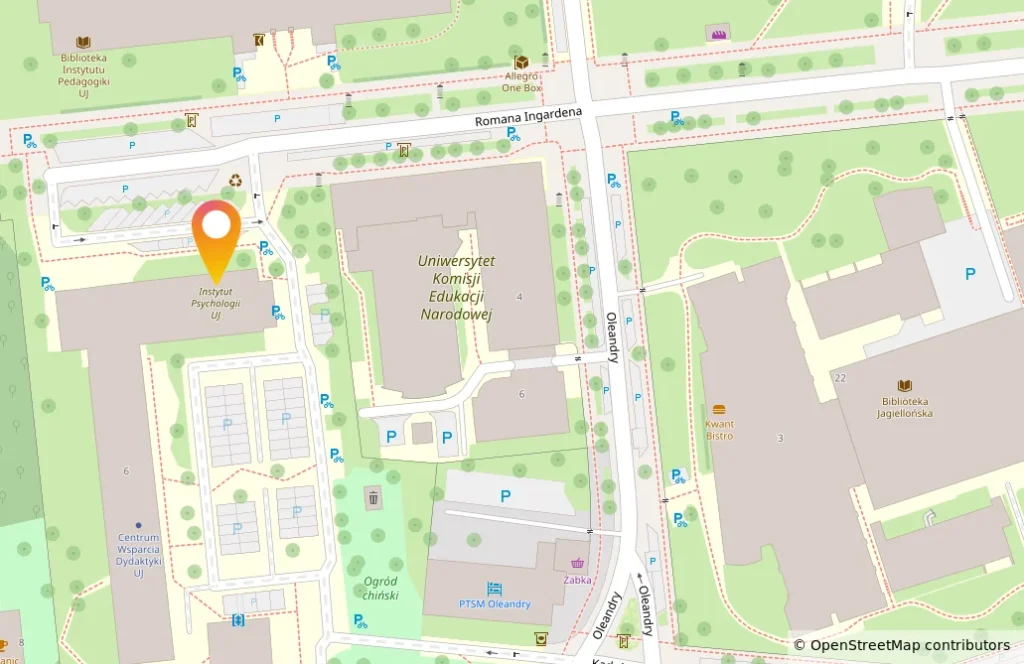
Jagiellonia University Institute of Psychology
Addres: Romana Ingardena 6
30-060 Cracow
Registration will be handled using Microsoft Forms. Maximum number of participants will be limited.
All participants must follow the rules of the event
Beginner Group
Advanced Group
Conference Partner:
City of Kraków

Co-organizer
Organizer

Krakow – due to its demographic, economic, social and scientific-cultural strength – ranks second in Poland among cities. It has unique values that are the basis of its economic development and an increase in the quality of life. It has high-quality human capital at its disposal. It is a city people consciously choose as a place to live, work, study, spend free time in a variety of ways. Sustainable development and the ability to meet specific challenges with the skillful use of own resources are the main priorities.
The academic center, with its 650 year old University , is permanently connected with the city and builds an unrepeated resource of knowledge in a unique way. It is the key to competitiveness and innovation not only of Krakow, but also of the entire region. The intensively developing economy based on knowledge is a completely new process in the economic life of the City, which makes it part of the modern economies of the world.

Fot. Piotr Krochmal
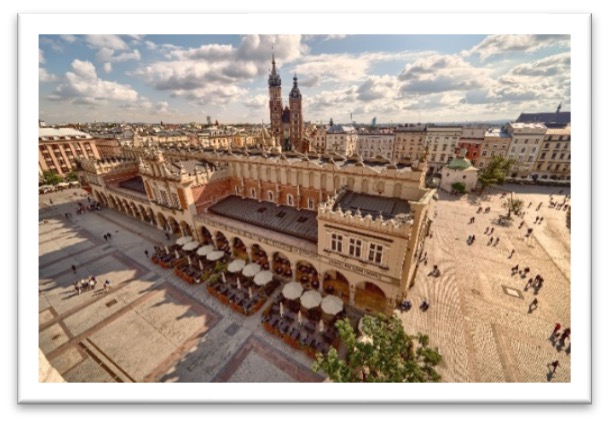
Fot. Piotr Krochmal
The overriding goal for Krakow is not only to be a modern city but also to be proud of its historical heritage. It aspires to be an open, rich, friendly and safe metropolis, vibrant with culture. Smart management and strengthening the sphere of modern services and the research and development sector are the foundations for the development of Krakow – a city where innovation and effective cooperation between science and business are the focus.
We invite you to visit our website and learn about the possibilities offered by magical Krakow – rooted in tradition, sensitive to everyday life and open to development: www.dlabiznesu.krakow.pl
BrainHack Kraków 2026 – a summary
Before we look back on the past weekend: our thoughts are with the victims of Saturday’s tragedy in the Main Market Square, their loved ones and everyone affected. We share in the grief of the people of Kraków.
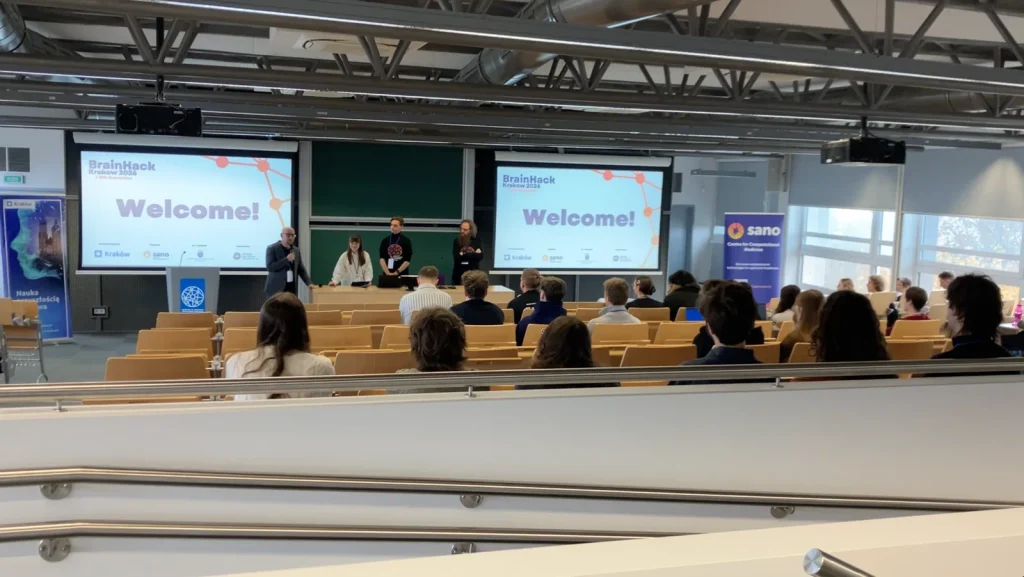
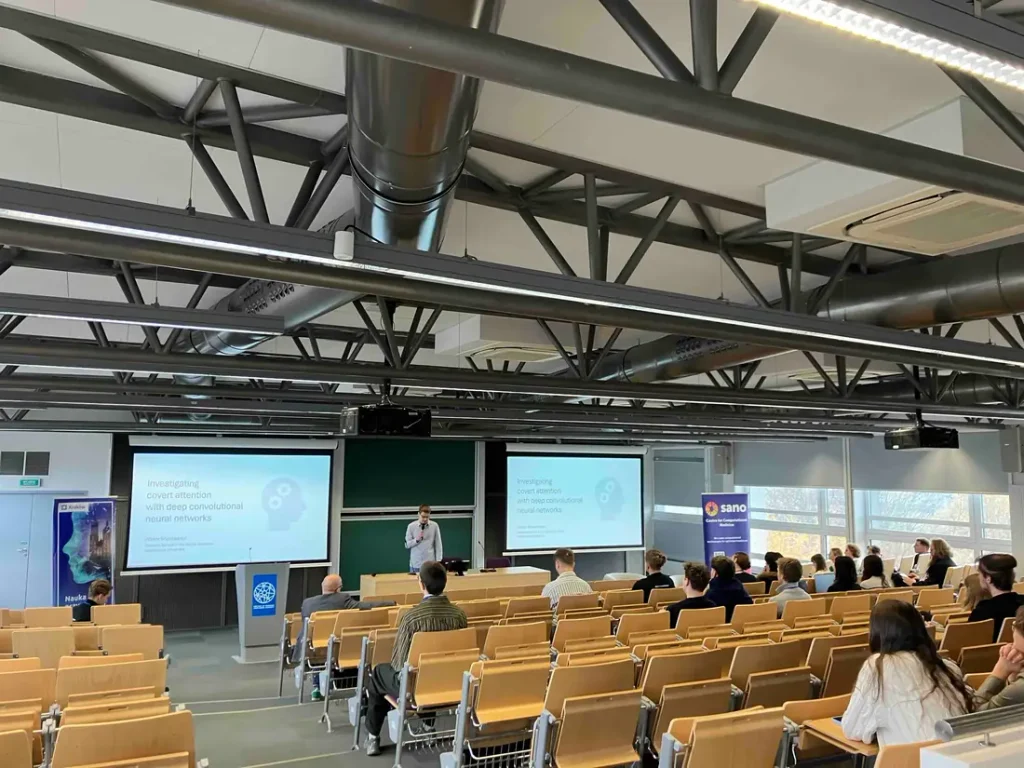
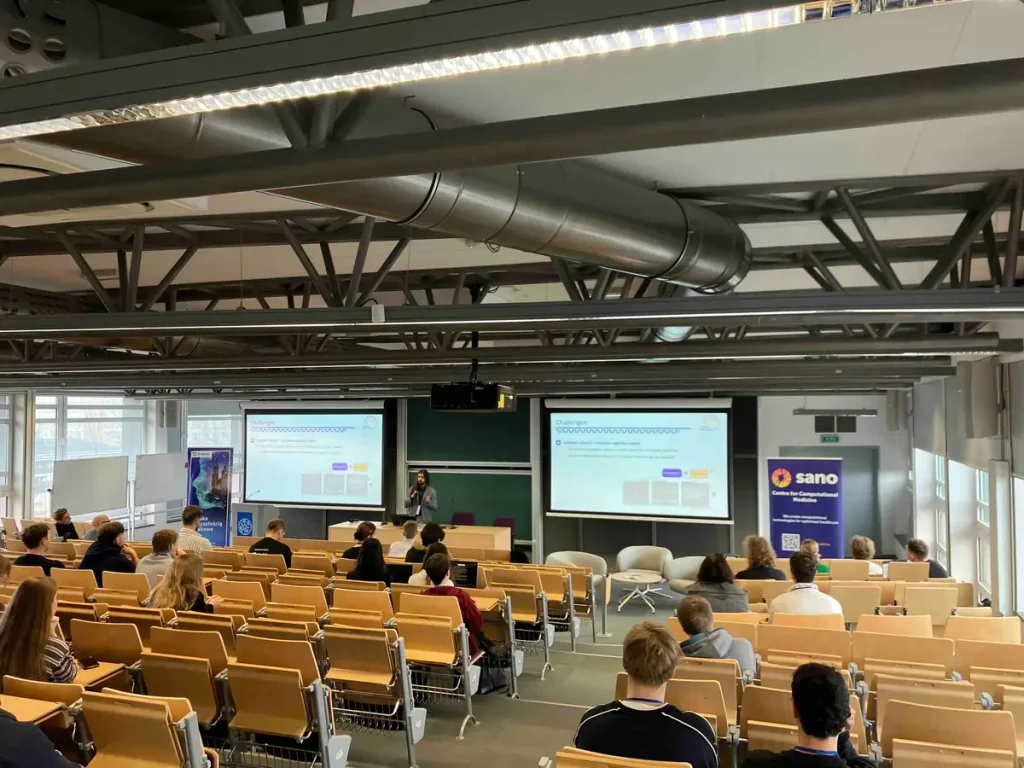
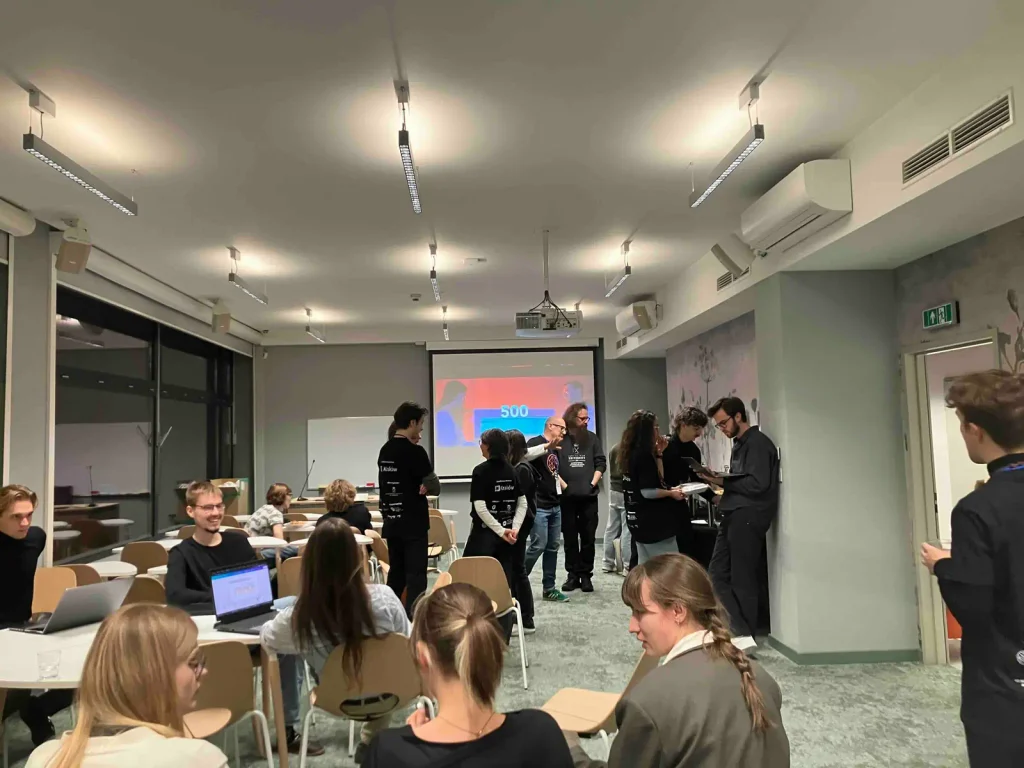
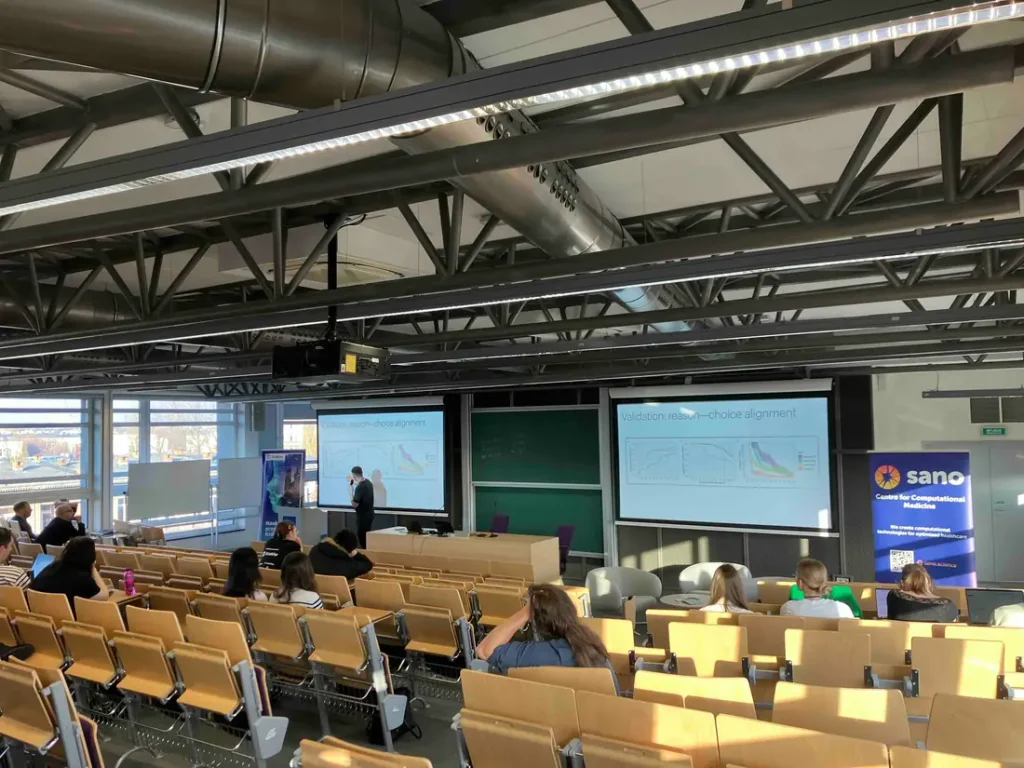
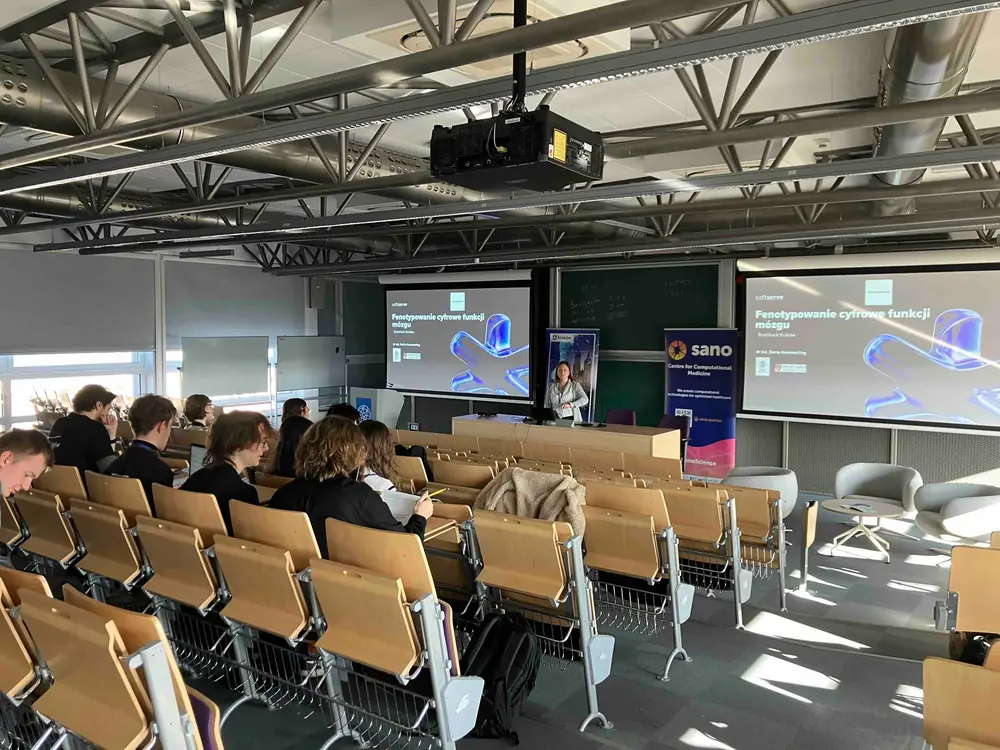
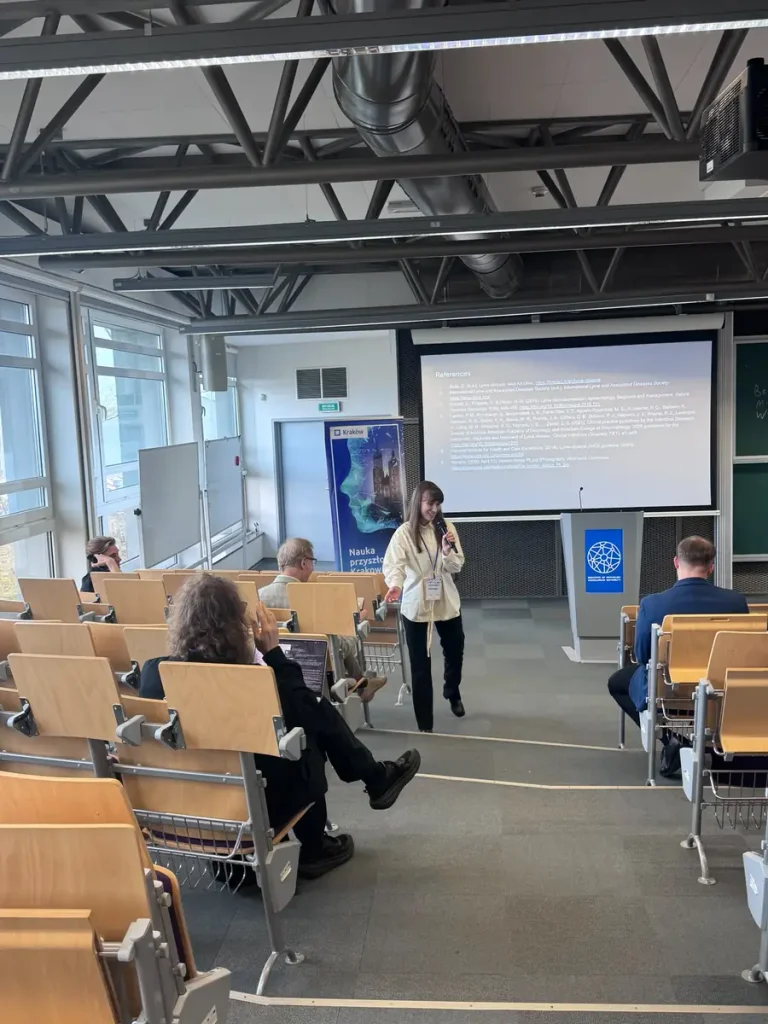
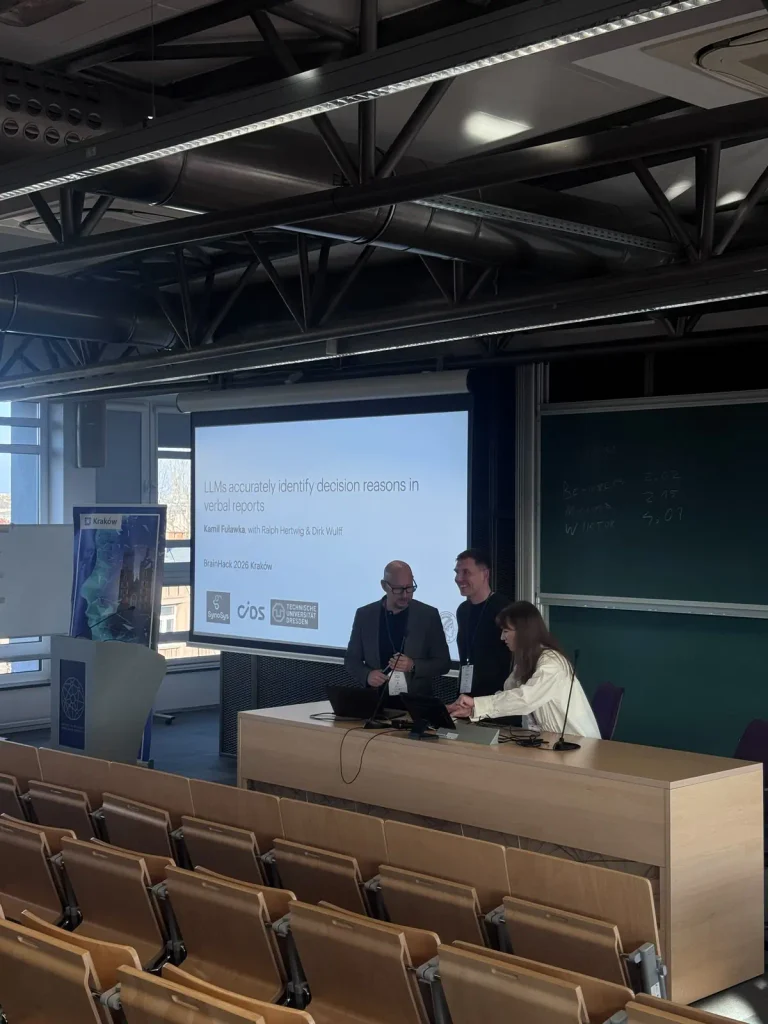
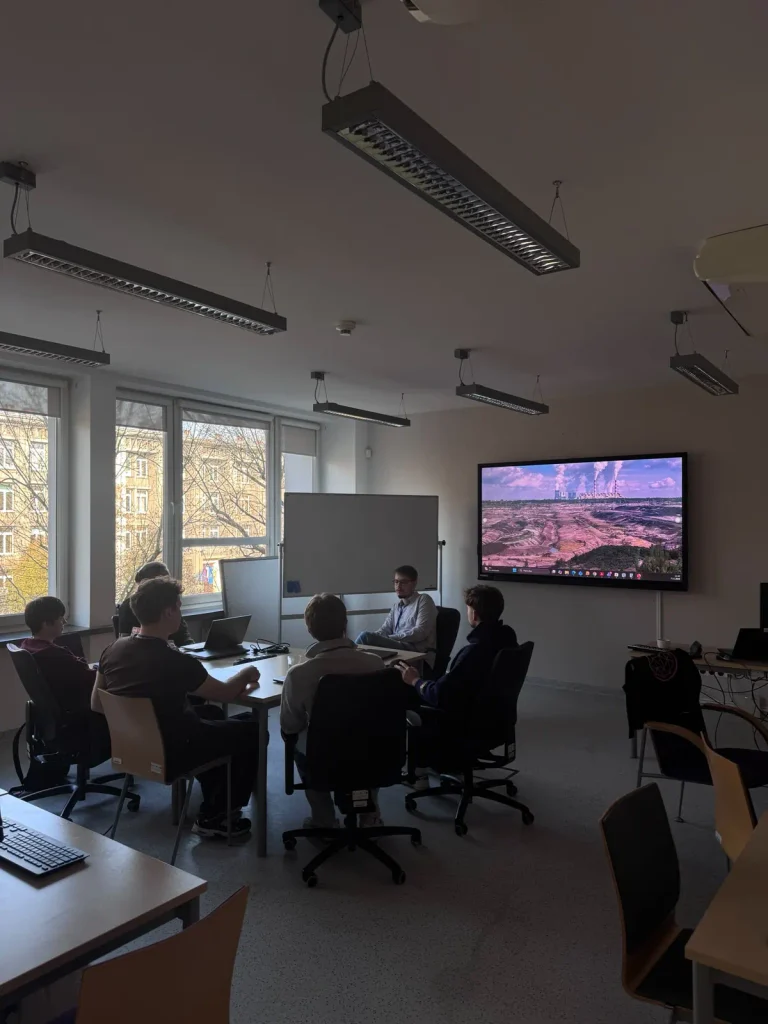
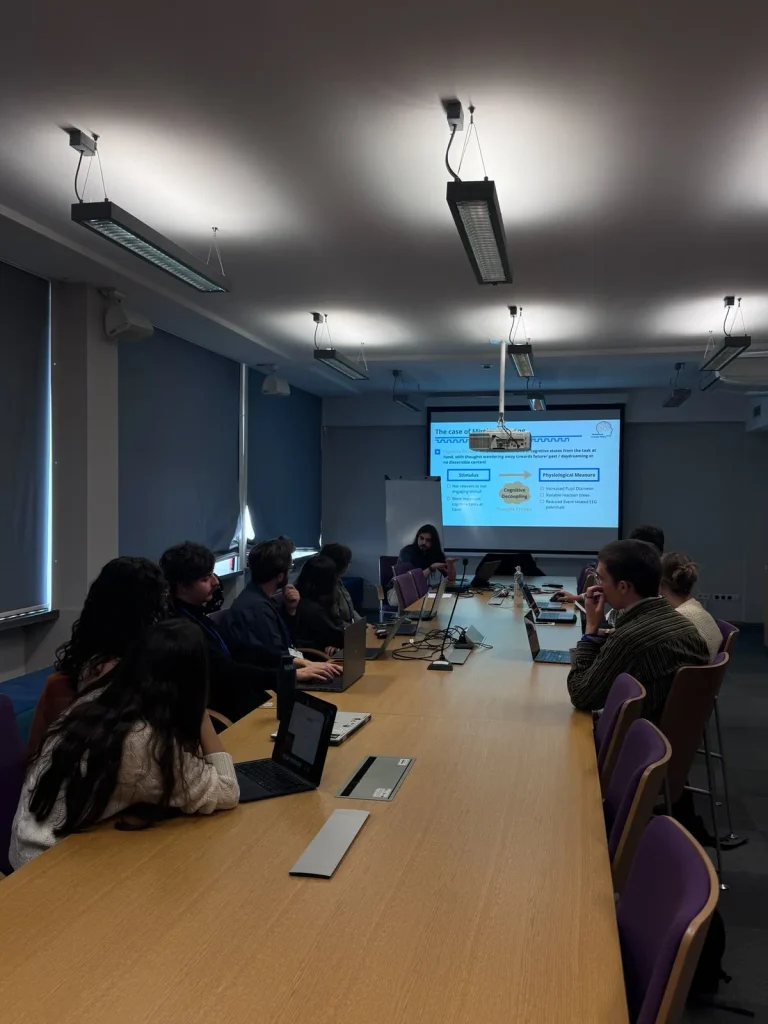
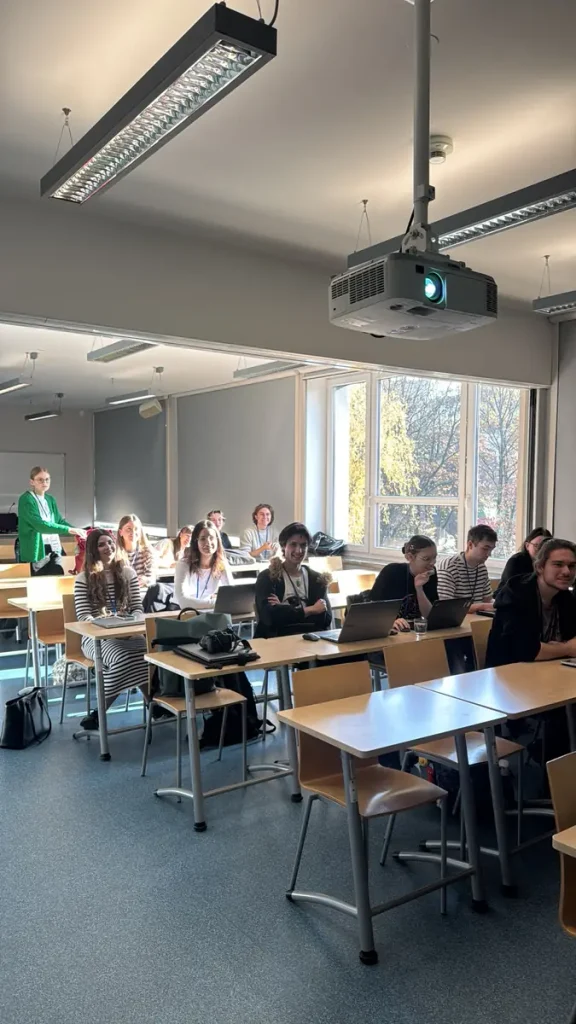
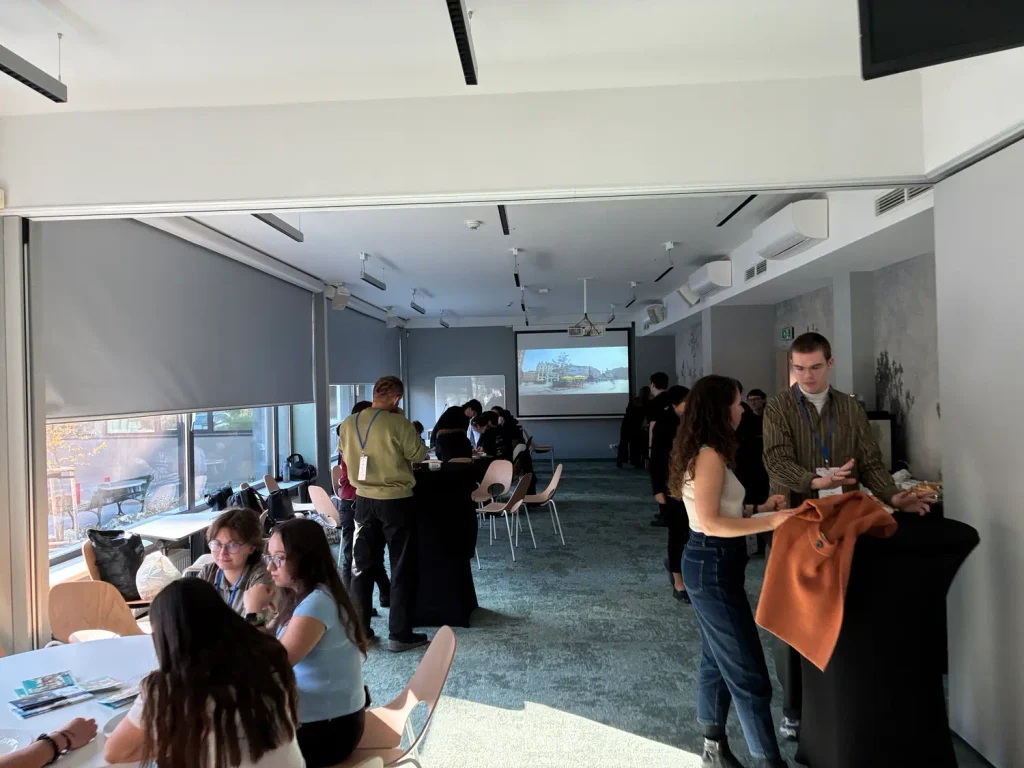
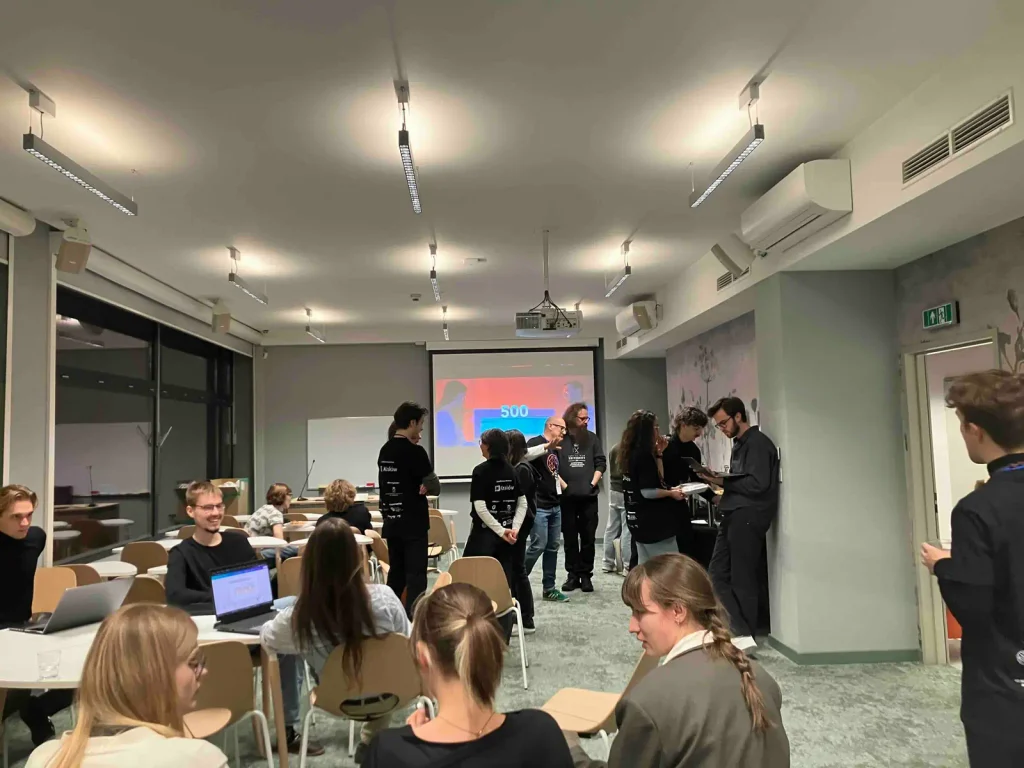
On 7–8 November, the @Institute of Psychology, Jagiellonian University hosted the Kraków edition of BrainHack – an event that is part of the international BrainHack Global network. Over two days, students, PhD candidates and researchers took part in lectures, workshops and meetings. We heard talks by our guests: Prof. Daniel Margulies (University of Oxford), Prof. Lune Bellec (Université de Montréal), Dr Kamil Fuławka (Max Planck Institute) and Dr Daria Hemmerling (AGH University of Krakow), as well as pitch talks by early-career researchers.
Participants worked in one of two tracks:
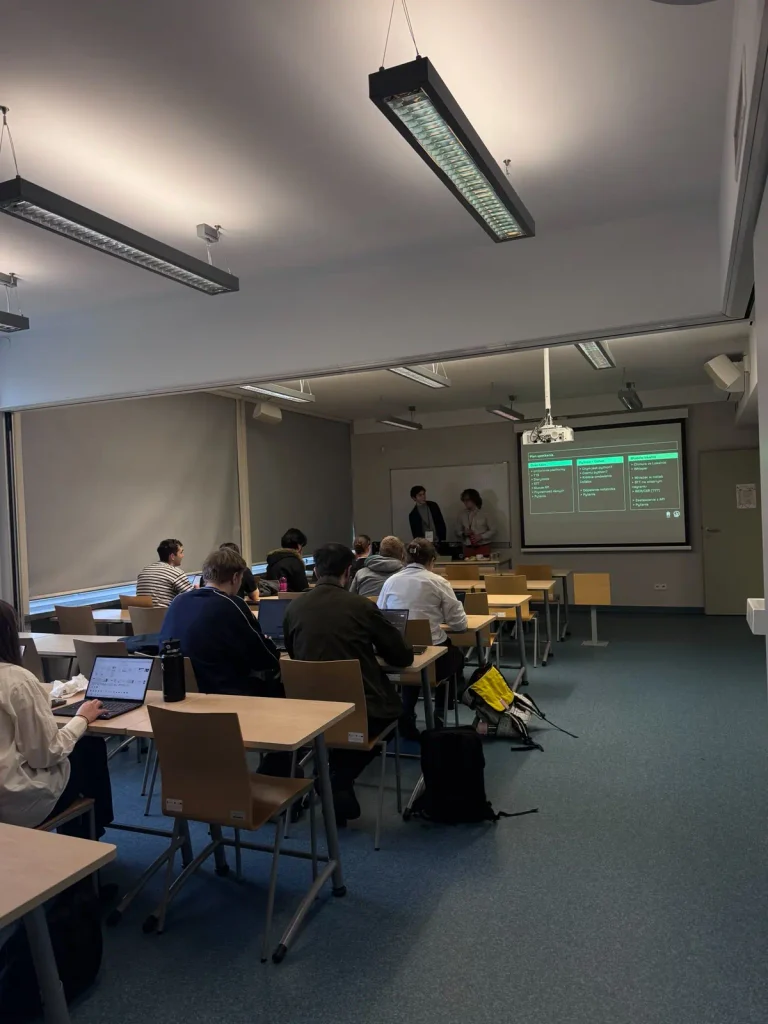
– the beginner track – introductory workshops in programming, computational neuroscience and computational psychology, designed for those studying psychology and related fields. The sessions covered the basics of speech-to-text processing and data analysis, and ended with a short project combining both topics;
– the advanced track – two project groups working with real neuroscience data:
• „Modelling cognitive processes using deep convolutional neural networks”, led by Wiktor Więcławski,
• „SemCoupling: linking brain and behaviour to cognitive state during naturalistic experiences”, led by Michał Domagała.
At the end, the advanced-track teams presented the results of their projects and received awards. A prize also went to the best presentation in the pitch-talk session.
We would like to thank the participants, the scientific committee, speakers, group leaders and student science clubs (SDNS UJ, KNSP UJ, KNSK UJ, Game Dev UJ, AI MED AGH, KNSB „In Silico” UJ) for co-creating the event, and the scientific director, Prof. Michał Wierzchoń, and Dr Jan K. Argasiński for their academic guidance. We also thank the City of Kraków, our Conference Partner, for its support under the Kraków Scientific Conferences initiative. We are also grateful to the Brain Research Centre (CBM), Jagiellonian University, and the Department of Cognitive Science, Jagiellonian University, for supporting the event.
Learn more about Kraków as a city of science: www.dlabiznesu.krakow.pl/nauka | facebook.com/BiznesiNaukawKrakowie
Organiser: Sano Centre for Computational Medicine
Co-organiser: Jagiellonian University | Institute of Psychology, Jagiellonian University
Conference Partner: City of Kraków
Supported by: Brain Research Centre (CBM), Jagiellonian University | Department of Cognitive Science, Jagiellonian University
#BrainHack #BrainHackKrakow2026 #Neuroscience #OpenScience #KrakowDlaNauki #NaukaPrzyszlosciaKrakowa #KrakowskieKonferencjeNaukowe
If you have any questions, just email us at
brainhackkrakow@outlook.com